Holy spaces

I returned the other day from a trip to El Salvador. I’m still struggling on what day it is, or was, or when such-and-such happened. It was early days and late nights and sound sleep and awakening with no alarm.

October 2014

The journey was two-fold: to attend the inauguration of Central America Migrant Mission Network with folks from Presbyterian World Mission, and also to visit our Presbyterian Hunger Program partners in and around San Salvador.

I have so much to tell you that I cannot right now. I’m still reflecting, filling in the blanks, poring over hundreds of photographs. I remember as a reporter being able to write the first five paragraphs of a story on the way back to the newsroom. Another gift long gone.

The moments of seeing the clothing Archbishop Oscar Romero wore when he was gunned down 44 years before mingle with the pride of a farmer beside the huge jackfruit in the community mountain garden.

Likewise the deep sadness of a mother hearing her son’s story of chronic kidney disease knowing his father and three brothers, fellow sugarcane workers, has succumbed to CKD compared to the joy of a young child pushing her baby sister on a swing.

Life is like that. Rollercoaster.

The holy holding space for joy.

Stories are to come. I promise. But I will leave you with this one.

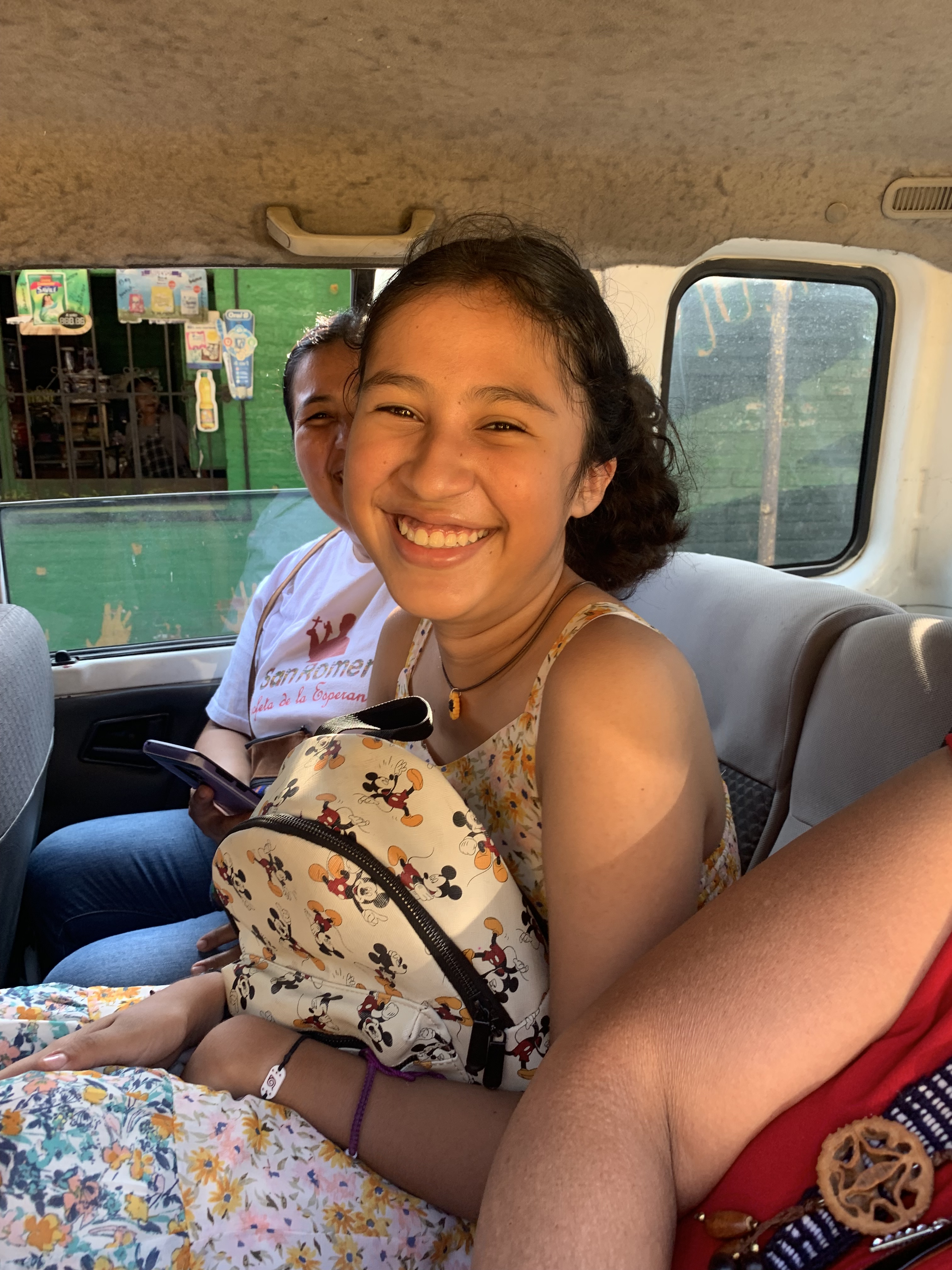
In 2014, I visited a home in San Isidro for lunch while there at a mission gathering. I took a photo of a child grinning at me through a window. On Sunday, I was there again. I showed the photograph to those who live there.

A few hours later, I was stopped on the street. The young girl, her family said, is now 15.

A lot has changed in El Salvador in 11 years, but this girl’s grin hasn’t.
March 2024
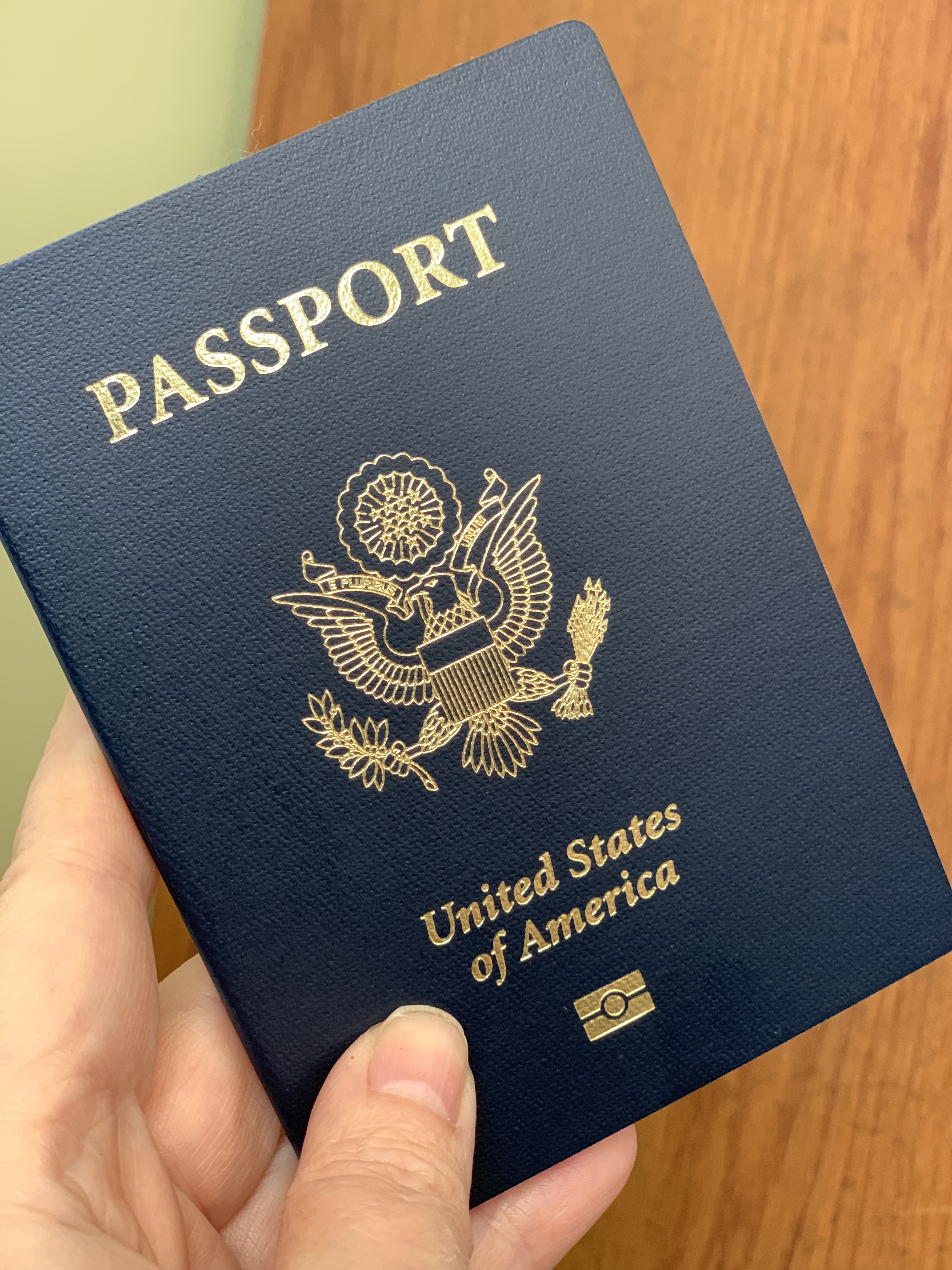
Going back into the world

My new passport just arrived! And it’s about to be filled.

As some of you already know, I sadly will not be able to return to my beloved Haiti any time soon. The political and security situation remain horrific.

Gang violence spills into just about every neighborhood in Port-au-Prince, and quickly more and more communities around the country are affected by threat of violence. A de facto prime minister continues in office though his mandate clearly has passed. The United Nations is on the brink of sending armed police led by Kenya to reinforce the beleaguered Haitian National Police.

But I serve as a global mission co-worker and after more than four years accompanying our Haitian partners from Virginia, I’m on my way in early summer to live in the Dominican Republic. I’ll be much closer to our siblings in Haiti, and in fact, will be able to accompany many people of Haitian descent living in the D.R.

It’s difficult for Haitians to live in Haiti – or anywhere. I’m eager to learn more about our Presbyterian partners in the Dominican Republic.

My work also is changing, though I still serve our Joining Hands network in Haiti, FONDAMA. In my new role as catalyst for food, hunger and agribusiness concerns, I will take what I have learned in 11 years in Haiti to explore and better understand similar issues regionally and globally.

Global Solidarity Network is the latest iteration of international Presbyterian Hunger Program work. It means examining root causes of hunger in several places – from other countries to similar issues in the United States.

It means walking with members grassroots communities close to the land. From the land-grabbing that robs small stakeholder farmers from their ability to feed families in Haiti, Sri Lanka and Cameroon, to sugarcane workers in El Salvador who suffer because of the poisons applied to the large corporate agricultural fields where they work.

I will tell you the stories of these siblings. I hope to help you learn along with me as I go.

In about a month, I will travel for a short visit to San Salvador, El Salvador, and meet with leaders and farmers of RUMES, our Joining Hands network there. I also will be members of the Central America Migration Mission Network as it kicks off!

When I began this journey, I called my blog Long Way Home. I knew it would be meandering journey. I am excited to share that I’m back on the path. From my first home to a new home.

Please know that even in the excitement of new adventures, Haiti remains in my heart.

I am so grateful for all they ways you have supported me since 2013. Financially you have provided a way for me to learn and tell new stories. But prayerfully, you’ve held me close and made it all possible.

I ask for continued support and especially prayers as I navigate through the process of visas and where I’ll settle and – perhaps most importantly – learn Spanish!

Oh, esto no es fácil! Pero qué emociante!

Searching for home in Haiti

cindy first sunday
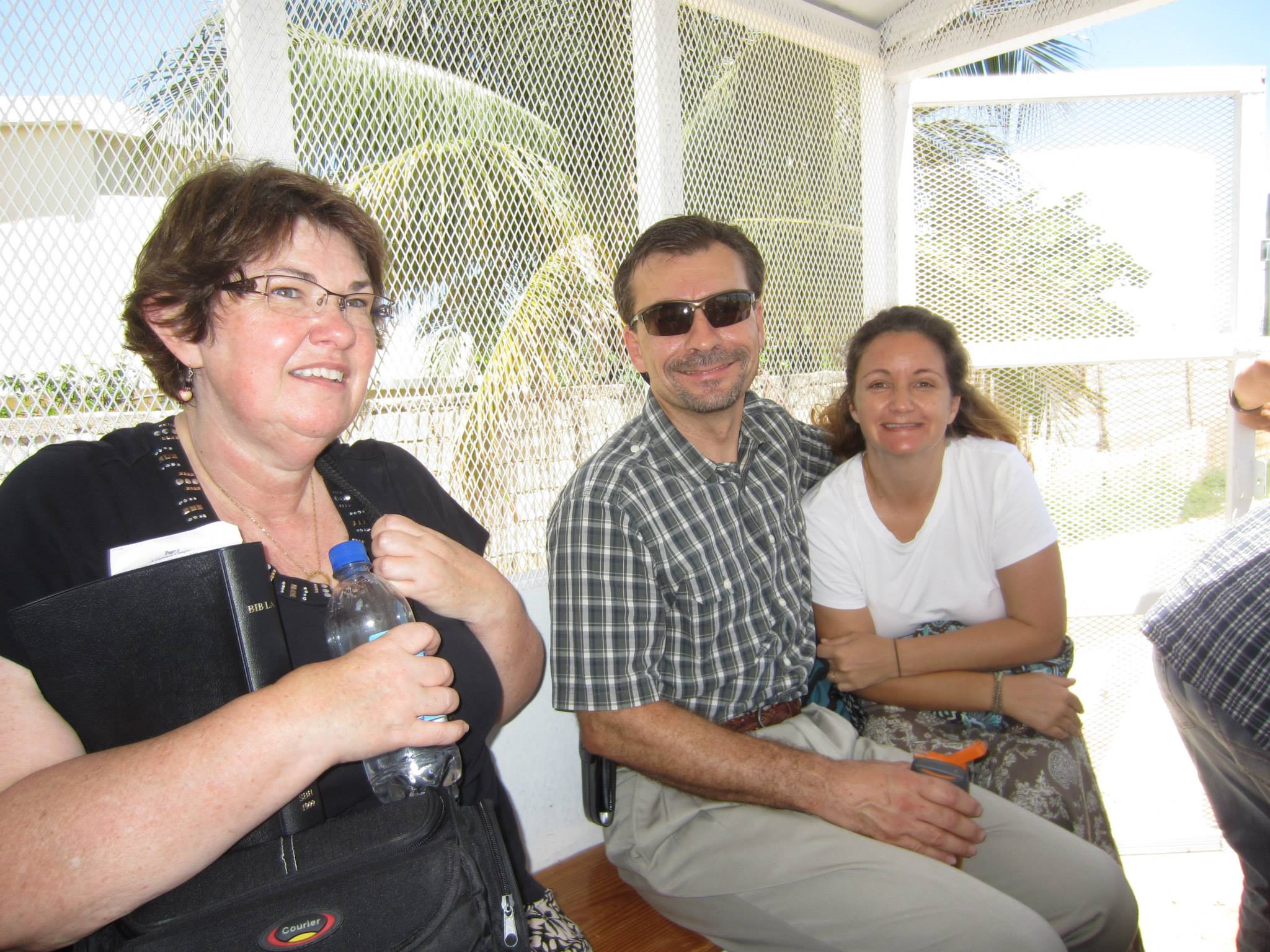
Pretty much how I spent my first year in Haiti, clutching a Creole Bible, camera bag, water bottle — and my heart. Here with Russell Cook and Tracey Herrera, who along with their group from Florida, invited me to church with them my first Sunday in Port-au-Prince. (Photo by Connie Cook)

This recovering journalist turned mission co-worker moved to Haiti to live and serve on May 25, 2013. To mark this extraordinary five year anniversary, here are some stories of the highlights and lowlights. To be sure, I am grateful beyond measure to all those who have made this journey possible. I only hope that Haiti, the people of Haiti and the rich joining of hands of sisters and brothers from both my lands make your lives a bit richer as well.

(This is an occasional series)

Home is a charged word to me since I came to live in Haiti. That was almost five years ago. Still hard to believe. So much has changed. I have changed so much. As the anniversary approaches, I find myself examining this journey, understanding the commonality of all our lives and lifestyles. We are sent as mission co-workers into poor lands, but it is not the poverty that connects us, but the spirit of generosity. 

I owe the joy and lessons of my life to tremendous generosity of many people in my life, both Haitian and North American.

My story in Haiti begins the afternoon of May 25, 2013.

So before making the trip here, loaded down with two bulging suitcases, a backpack and a carry-on, I listened to every word of “Home” by Phillip Phillips:

 Settle down, it’ll all be clear

Don’t pay no mind to the demons

They fill you with fear

The trouble — it might drag you down

If you get lost, you can always be found

Just know you’re not alone 

‘Cause I’m gonna make this place your home.

 With due apologies to the songwriter Phillips, to me, it was if God himself was talking me through what would be this huge change in my life. And whether to the credit of Phillips or God or both, it worked.

Five years ago on May 25, I arrived in Port-au-Prince, found my taxi driver and settled into Trinity Lodge, a guesthouse that, too, has become one of my homes here.

By next morning, I was stepping up into a huge truck to go to church with a group also staying at Trinity Lodge.

And by early Monday morning, I was making the first of many (many!) mistakes. Like many foreigners I was unclear on the difference between the U.S. do dollar and the “Haitian dollar.” The “Haitian dollar” doesn’t exist. It’s a term used to mean 5 times five gourdes. Or 25 gourdes. Which at that time was about .50 cents, U.S. So when I approached the woman selling ice cold water by the bottle, I asked her how much. She said in Creole, “senk dola.” Five dollars. (I blame this next part on being tired and hot and obnoxiously overconfident) “Five dollars?” I exclaimed, outraged but thirsty. She nodded. “U.S.?” Again, she nodded. (I mean, what would you do, with a red-faced, obnoxiously overconfident foreigner standing in front of you?) I pulled out a five-dollar bill, took the water, shook my head in disgust and walked up the dusty street slurping cold water.

(This story still embarrasses me, but it is a good reminder of what I would quickly realize would be my new life: I am often wrong.)

 (Next up: Cindy goes to Cherident!)

Hope on the line

Heavy rains continue to fall in Haiti, slowing the recovery of people in hurricane-affected regions. But there is hope.

img_2179

I’ve been back in Haiti less than a month, and already it’s been a whirlwind. With a lot of help from good friends, I moved into a new home, met Almand who is here to serve as “guardian,” someone whose primary job is to keep us safe and whose secondary mission is to become part of our family.

Paul Sinette continues to care for me — she has to be the best cook in Haiti, and she helps me navigate life. Her son Carlens is often here, playing Dominos with Almand.

They all teach me Creole, learn English from me and we take turns saying Grace.

It’s a good deal.

We welcomed a kitten to the house about a week ago. Kimberly, named by Paul Sinette, pretty much runs the place and brings much entertainment.

As you know, Hurricane Matthew did a number on several parts of Haiti, especially to the southern peninsula. The storm hit Oct. 4 and 5. The second weekend of November I was able to visit the South and Grand Anse departments that suffered catastrophic damage.

Fabienne Jean, coordinator of our network FONDAMA, and I traveled to Les Cayes and then onto Grand Anse to visit with partner organizations and also Luke Osikoye, international associate with Presbyterian Disaster Assistance.

Passing Grand Goave on National Route 2, we began to see the damage Matthew left behind. The bridge at Petit Goave was washed out, and a detour was in place while workers replaced it.

Torrential rains have continued in the region, so beyond the obvious hurricane damage — destroyed houses, roofless homes and trees devoid of leaves and branches — we passed flooded roadsides, yards and fields.

Farmers who had access to oxen used them to plow fields. People of all ages walked the roadways carrying water, food and construction materials.

We passed a number of funerals — people wearing black and white, walking slowing in small groups. On the national highway outside of Les Cayes a beat up pickup carried a casket and followed a five-person brass band while friends and family of the deceased followed on foot.

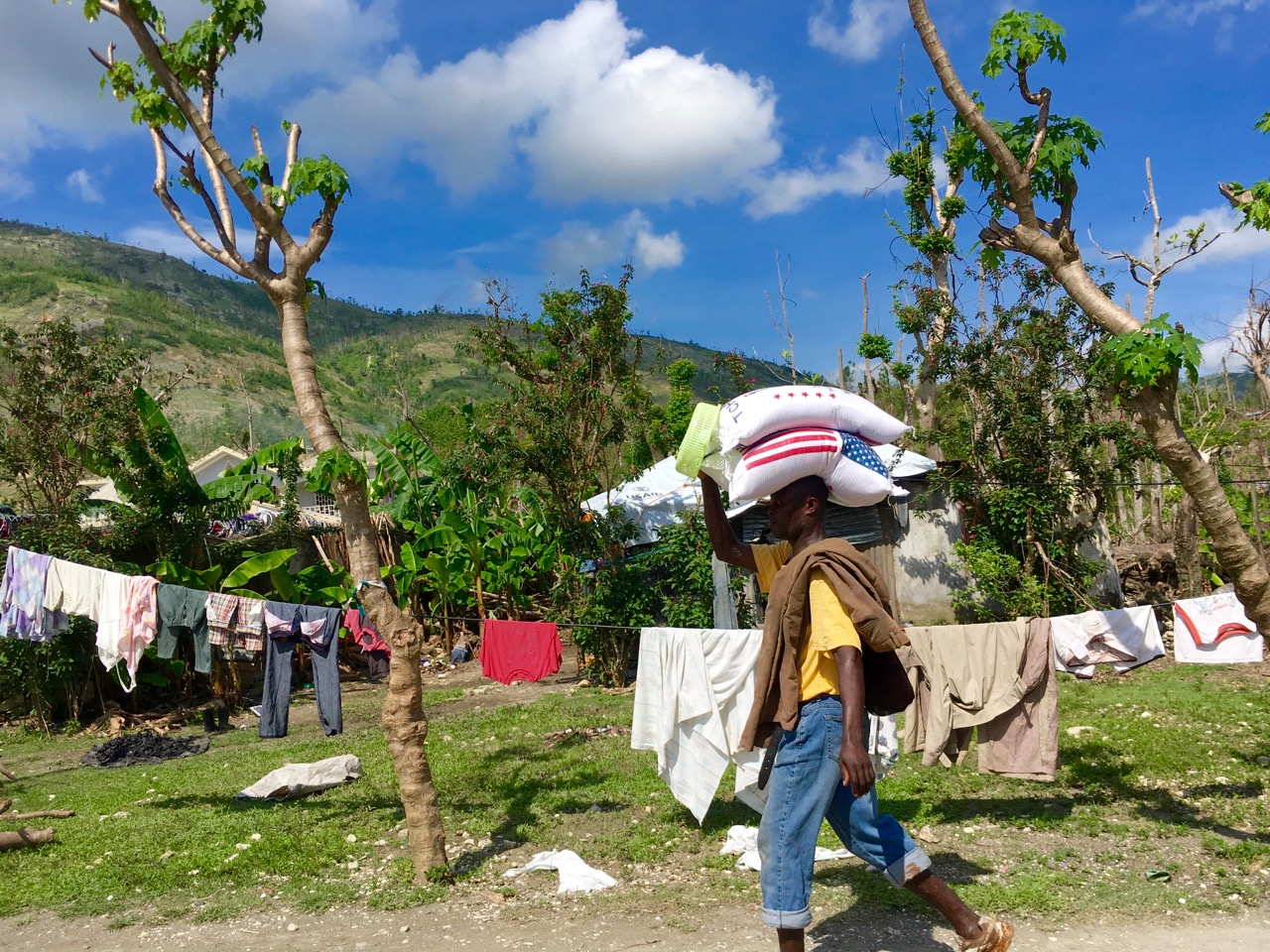
In Moron and Marfranc, World Food Programme and USAID were handing out bags of rice and tarps. In both villages, people lined up in the hot sun to wait. We saw dozens of people carrying their aid home — many of them waste-deep through overflowing rivers.

The further we went, though, and the closer we got to the village of Chambellan located near the southern peninsula’s tip, I saw the bits of hope.

Clothes and sheets and underwear, washed in whatever water was available and simply hanging in the breeze.

Red blouses, green slacks, blue jeans, multi-colored sheets — waving as if a grand sign that in spite of it all, life goes on.

In clean clothes.

I will have more to tell you soon, including ways you can help. FONDAMA is working on a proposal through PDA to help people in these communities with recovery.

Please know that you are appreciated — for caring, for reading and for continuing to pray for all the people of Haiti and those around the world.

God bless.