Back where I started

The Shenandoah Valley is the most beautiful place in the world. And, it’s home.

Growing up on a farm in Augusta County, Va., my dreams were bigger than me. I longed for excitement and spent time making up stories to tell at the dinner table. I remember sitting on the back steps, hoping one day I would see more of the world.

Dreams come true.

I started this blog before I left for Haiti where I would live and serve among people who would become family to me. A blog needs a name. My fingers typed out: The Long Way Home.

Thirteen years later, I’m home. Pretty close to where I started. Sharing time with my amazing family and so many friends. I’m becoming involved in community here. I do love Staunton, Va. (If you’ve never been, you really should come.)

Funny how life turns out

Not-so-short synopsis: I fell into Haiti missions like I have most things in my life (I literally learned to swim by accidently jumping into the deep end of the pool and was too embarrassed to yell for help.).

Roger Bowen is a retired Episcopal priest living with his wife here in Staunton. I met them at a social event. He told me his passion was introducing people from the U.S. to people in Haiti. Then he asked me to read Mountains Beyond Mountains, an incredible introduction to the small Caribbean country. I was hooked.

I began learning Haitian Creole in 2009. I even helped start a Creole class with a native speaker and 18 people showed up the first night!)

Short visits to two communities in Haiti sealed the deal – I had a new passion that would direct my life. In 2012 someone sent information about a job with Presbyterian Church (USA) for a post living in Port-au-Prince. I laughed and laughed. Then I heard a distinct call that said: You need to take that job. Haiti needs storytellers.

I applied, confident that folks in Louisville would see this was ridiculous. But no. By May 2013, three days after turning 51, I landed in Haiti’s bustling, brightly colored, crowded capital city. The next day I went to church with a group also staying in the guest house, met someone who gave me the name of a real estate agent, and in two days found the apartment where I would live for three years.

Whew

The kid from a farm in Stuarts Draft wasn’t just seeing the world; I was a part of it.

I loved and was loved. I trusted and earned trust. I walked on broken sidewalks crowded by tired produce sellers. I met close friends. I entered deep relationships navigating in another language. There was great joy. And heartache. And guilt for grave mistakes. And grace shown to me. Unbidden. Unearned.

After renting the apartment in Port-au-Prince, I left for Cherident where I would spend a month in the countryside. It was a community I knew well from earlier visits. Because I would be working with farmer organizations, my supervisors wanted me to live in a rural area to learn culture and Creole.

I had vaguely known one member of Papa Luc’s family, but here I was, packed for a month and more than a little uneasy. The driver wasn’t sure where to go when we drove into the village, but a young man standing on the road saw our truck. He flung open the door to the backseat where I sat, grabbed me in a big hug and cried, “My sister! You are here”

That was Herns Celestin. Papa Luc’s second son. He lived in Port-au-Prince about two hours away with his wife and young son. On the yard of the small wooden house, Herns sat me down immediately to “test my Creole”. He asked me to name what foods I liked. I started showing off. I named every food I knew in their language.

Most of the family were there that night. Papa Luc’s eight children took turns coming to the house, teaching me so much more than language. Lucson, Herns, Goursse, Wislande, Felix, Noel, Widline and Esther. Their spouses, classmates, children, neighbors — they all took me in like family.

An hour after I’d arrived, Papa Luc came home from his carpentry shop, other family members gathered at the table, dinner was served – with every food I’d named. It seems the women who were cooking were listening in on my lesson.

Herns came to where I sat before the meal. He carried a small tub with a bar of soap in it. In his other hand, a pitcher a water. Over his arm, a towel. I washed and dried my hands while he waited.

How I got through that meal without bawling, I do not know. But I ate. And ate. And talked. And listened. My stomach was full, and my heart. Oh my.

Prayer service

After dinner while trying to digest, Herns came to me again. The family was gathered for prayer, he said. It wouldn’t take long. Only about 15 minutes. What I thought would be a time of rest for me would be participating in this small worship service.

About a dozen of us stood around the cleared dinner table.

A prayer. A hymn. Everyone sharing a Scripture from memory. Someone reading a Psalm Papa Luc had chosen. And Papa Luc, a 63-year-old farmer and carpenter, a widower with eight children, a man who carried a tattered Bible but could recite the words with his eyes closed, asked that I read Psalm 7. In Creole.

Another prayer. The Doxology in French. Prayers of the people. And we all bid goodnight.

Every night in this house, there is worship of our Lord and Savior before sleep.

Seamlessly I was a thread in the fabric of a place of violent poverty, endless beauty and powerful faith.

Though I left Haiti in 2019 because of the violence, I KNEW I would go back home. Even as I stayed in Virginia those years, I called it temporary. So much was left back there – my mother’s Bible, family photographs, handmade furniture.

I followed the news to the point I couldn’t write about Haiti anymore. It was too hard to find new ways to say Haiti was on the brink of disaster – and find any hope in it. I had tough conversations with God. I went through a crisis of faith like I had never imagined.

Every day I speak with my dear friend Garry. As he says if he doesn’t hear from me, m pa allez. I’m not comfortable. Each morning conversations starts with: M domi, m levi, m di mèsi Bondye. (I went to sleep. I woke up. I thank God.)

And there is bad news to report

“Cindy, Sonson mouri.”

A phone call from Garry. A close friend who often had meals in my home had been shot to death.

“Cindy, Olna mouri.”

A colleague in the FONDAMA office died from Covid-19.

My heart.

Last year I was deployed to the Dominican Republic, still serving the Haiti partners, but learning the work of new ones. A new language. Adventures on buses. Surprising Haitians by speaking Creole with them. Just across the border from my second home, I found a new calling.

Then 2025. My work changed. I was assigned a job living in the U.S. I am in a new home here – not living with family or renting rooms in other homes as I’d done for five years. I won’t be deployed again. I’m home.

I’m excited about the new work. It’s slowly becoming clearer, and I will be back here to share those stories.

But with a few days off as this year ends, I’ve been able to deeply reflect.

It was only this week that I understood the door to Haiti has quietly closed. Though I hope to visit again when — God help us — there is any semblance of peace, I will not live in my second home again.

I’m in a place I love. I have Haitian art on the walls. I’ve had friends from Haiti visit here, and we ate Creole food (they cooked!) drank Prestige and remembered good times.

And so it is, I’ve taken the Long Road Home.

I hope to rework this blog and contribute regularly. Yes, Haiti needs storytellers.

So does the rest of this beautiful, broken and hurting world.

I hope to see you back here soon.
Holy spaces

I returned the other day from a trip to El Salvador. I’m still struggling on what day it is, or was, or when such-and-such happened. It was early days and late nights and sound sleep and awakening with no alarm.

October 2014

The journey was two-fold: to attend the inauguration of Central America Migrant Mission Network with folks from Presbyterian World Mission, and also to visit our Presbyterian Hunger Program partners in and around San Salvador.

I have so much to tell you that I cannot right now. I’m still reflecting, filling in the blanks, poring over hundreds of photographs. I remember as a reporter being able to write the first five paragraphs of a story on the way back to the newsroom. Another gift long gone.

The moments of seeing the clothing Archbishop Oscar Romero wore when he was gunned down 44 years before mingle with the pride of a farmer beside the huge jackfruit in the community mountain garden.

Likewise the deep sadness of a mother hearing her son’s story of chronic kidney disease knowing his father and three brothers, fellow sugarcane workers, has succumbed to CKD compared to the joy of a young child pushing her baby sister on a swing.

Life is like that. Rollercoaster.

The holy holding space for joy.

Stories are to come. I promise. But I will leave you with this one.

In 2014, I visited a home in San Isidro for lunch while there at a mission gathering. I took a photo of a child grinning at me through a window. On Sunday, I was there again. I showed the photograph to those who live there.

A few hours later, I was stopped on the street. The young girl, her family said, is now 15.

A lot has changed in El Salvador in 11 years, but this girl’s grin hasn’t.

March 2024

Walking each other home

First, let me thank everyone who wandered through the maze of buttons and instructions to join me in this blog. I do appreciate you all.

I promised I would connect more often. This is a good season for such a promise. I am near to overwhelmed with tasks. Preparing to move to another country has its built-in complications. Learning a new language while doing so just makes it that much more fun.

Eleven years ago about this time of year I prepared to move to Haiti. It seems a blur now. But I recognize the excitement of it. So many feelings! I am so happy to embark on adventure. At the same time, I’m already mourning time I won’t spend here in the Valley. Add that to the existing grief of being far from my friends in Haiti.

It’s best to stay busy, I know, but also to spend time reflecting.

In the four-plus years I’ve been back in the Valley, I’ve readjusted to life here. My work other than a few trips is remote, but I spent good times with many of you. I have lived with family and with friends who have become like family.

I’ve enjoyed being about to walk along the South River, driving in the Blue Ridge Mountains, meet so many of you for lunch or coffee.

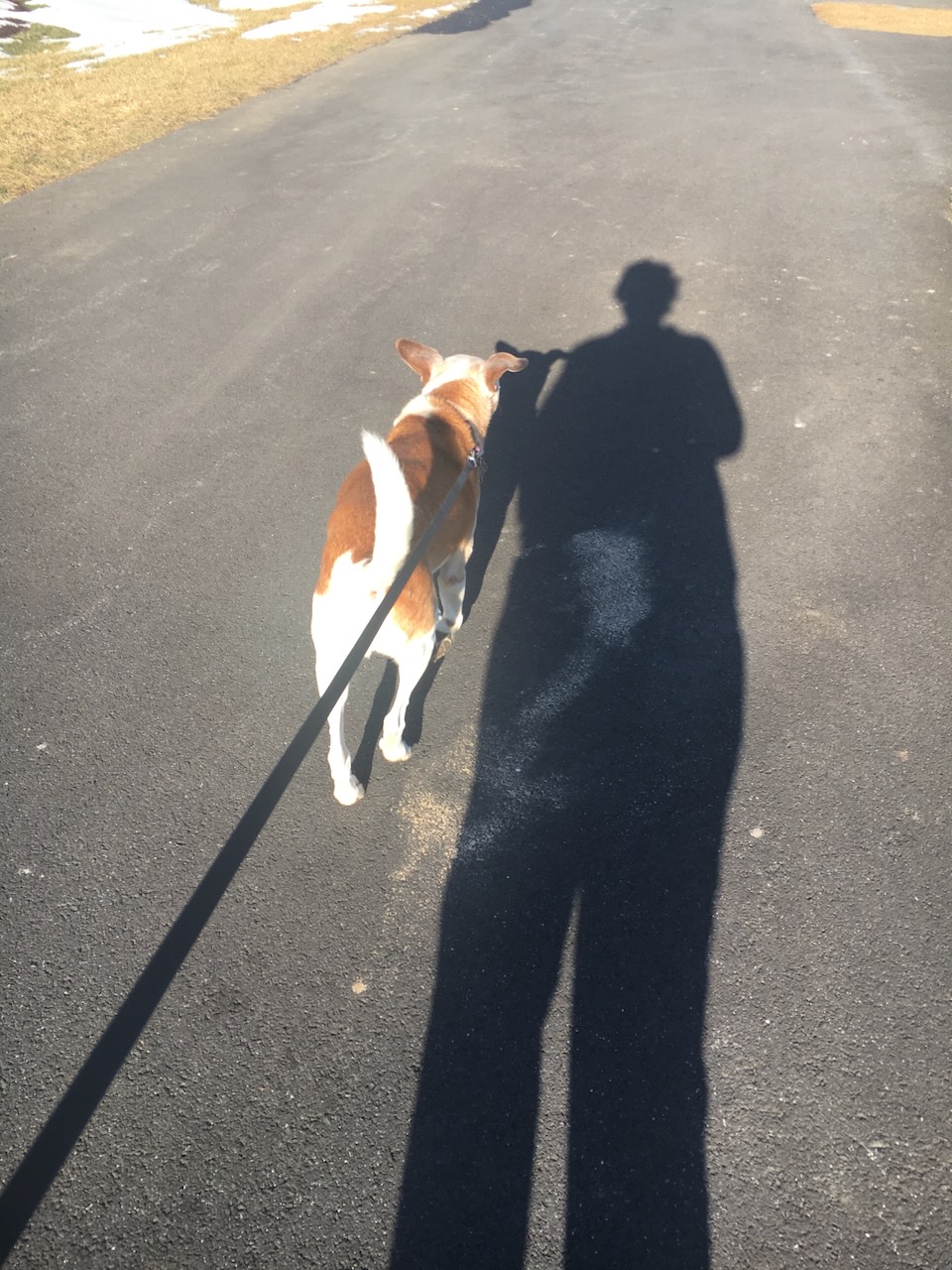
Many of you have allowed me to stay with your four-legged friends while you were away. That has been a gift. I have a few more of these occasions coming up. Memories spent with Ryan in the photo here are precious. He left us too soon.

I’m learning Spanish, researching land and food issues around the world, imagining what I will pack for the Dominican Republic and what I will do with the rest of the stuff I’ve gathered. (Too much stuff!)

I’m remembering Ram Dass’s quote: We all are just walking each other home.

In all the ways. To all our homes.

Be well, friends.

Going back into the world

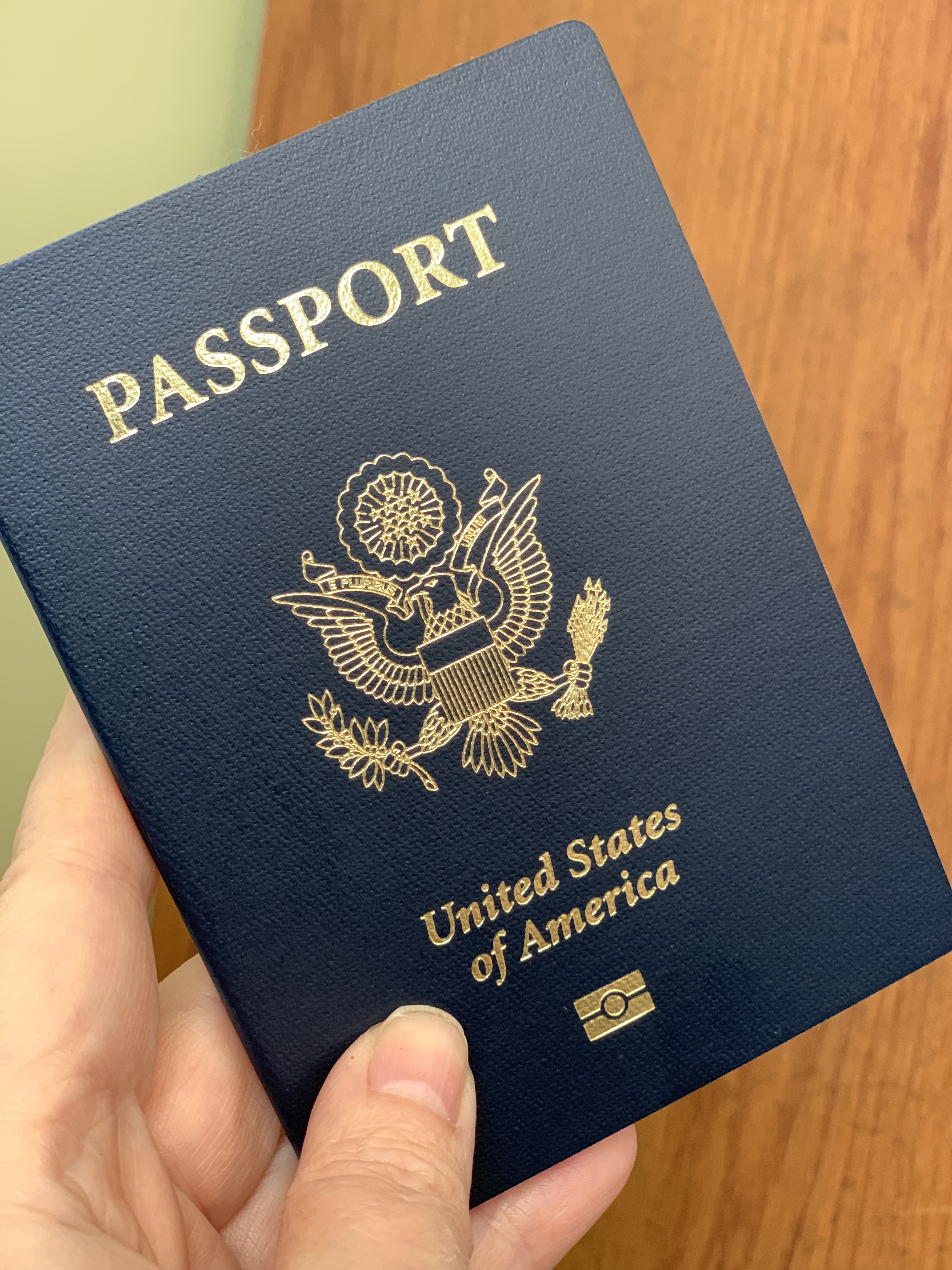
My new passport just arrived! And it’s about to be filled.

As some of you already know, I sadly will not be able to return to my beloved Haiti any time soon. The political and security situation remain horrific.

Gang violence spills into just about every neighborhood in Port-au-Prince, and quickly more and more communities around the country are affected by threat of violence. A de facto prime minister continues in office though his mandate clearly has passed. The United Nations is on the brink of sending armed police led by Kenya to reinforce the beleaguered Haitian National Police.

But I serve as a global mission co-worker and after more than four years accompanying our Haitian partners from Virginia, I’m on my way in early summer to live in the Dominican Republic. I’ll be much closer to our siblings in Haiti, and in fact, will be able to accompany many people of Haitian descent living in the D.R.

It’s difficult for Haitians to live in Haiti – or anywhere. I’m eager to learn more about our Presbyterian partners in the Dominican Republic.

My work also is changing, though I still serve our Joining Hands network in Haiti, FONDAMA. In my new role as catalyst for food, hunger and agribusiness concerns, I will take what I have learned in 11 years in Haiti to explore and better understand similar issues regionally and globally.

Global Solidarity Network is the latest iteration of international Presbyterian Hunger Program work. It means examining root causes of hunger in several places – from other countries to similar issues in the United States.

It means walking with members grassroots communities close to the land. From the land-grabbing that robs small stakeholder farmers from their ability to feed families in Haiti, Sri Lanka and Cameroon, to sugarcane workers in El Salvador who suffer because of the poisons applied to the large corporate agricultural fields where they work.

I will tell you the stories of these siblings. I hope to help you learn along with me as I go.

In about a month, I will travel for a short visit to San Salvador, El Salvador, and meet with leaders and farmers of RUMES, our Joining Hands network there. I also will be members of the Central America Migration Mission Network as it kicks off!

When I began this journey, I called my blog Long Way Home. I knew it would be meandering journey. I am excited to share that I’m back on the path. From my first home to a new home.

Please know that even in the excitement of new adventures, Haiti remains in my heart.

I am so grateful for all they ways you have supported me since 2013. Financially you have provided a way for me to learn and tell new stories. But prayerfully, you’ve held me close and made it all possible.

I ask for continued support and especially prayers as I navigate through the process of visas and where I’ll settle and – perhaps most importantly – learn Spanish!

Oh, esto no es fácil! Pero qué emociante!

Taking the Long Way Home

“We must come to see that human progress never rolls in on wheels of inevitability. It comes through the tireless efforts and persistent work of those willing to be co-workers with God, and without this hard work time itself becomes an ally of the forces of social stagnation.”

Martin Luther King Jr., Letter from Birmingham Jail

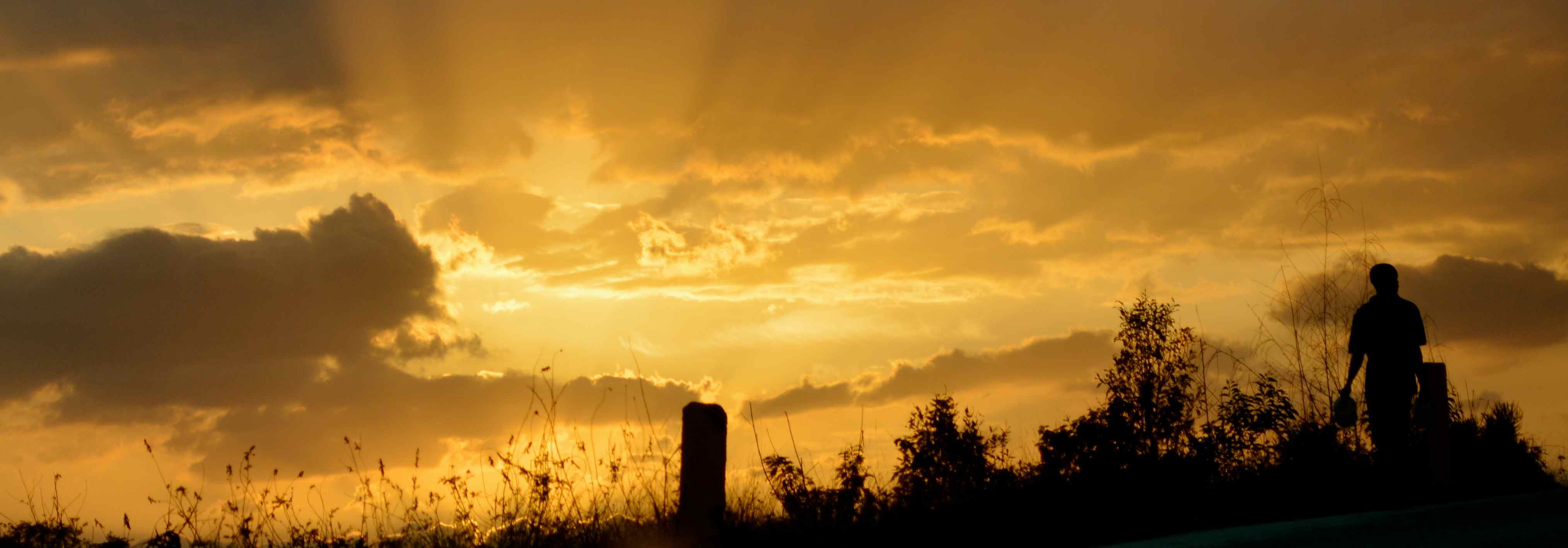
A man on his way home at day’s end on the road into Port-au-Prince.

It wasn’t long after I understood that a calling, with all its inherent sense of adventure, would take me to Haiti that I chose the name of this blog.

The Long Way Home. One of my favorite pop songs, (thank you Supertramp!) would often inspire me to take the long way home after leaving The News Leader office late at night in the early 1990s. Leaving work, I was due to relieve the woman who cared for my invalid mother. Barbara was a Godsend for sure. She stayed with Mom while I worked the 3 to 11:30 p.m. shift at the Leader. She would tell me to take my time coming home. She would be there.

Those extra moments of calm kept my sanity (mostly) intact.

Those were tough times. Our father had died not long before, and my siblings and I shared time staying with Mom. Those were the months I realize now that I learned that love is enmeshed with duty and that duty is a privilege. No matter how difficult the task, it will be done because, well, because love.

Anyway, when I came up with this blog, I was heading to live in Haiti — actual circumstances unknown (hence adventure) — and I wanted to record chapters of the journey. And Long Way Home meant something more to me than just a title — I was leaving home to make a new home knowing I would return to a former home.

I wasn’t wrong. And surprise! I had no idea how long I’d be in this former and lovely, warm home with my sister and brother-in-law until I (one day) will return to my lovely, hot home in Port-au-Prince.

The root of the word adventure is waiting. I wait.

It’s mid-January. I am working while I wait, and a couple of anniversaries have hold of my heart.

Earthquake

Twelve years ago, today a massive earthquake struck Haiti. I worked at The News Leader, and the early news reports came in about 5:30 p.m.

A powerful quake and weak infrastructure meant hundreds of thousands of people were crushed. Twelve years later, physical rubble is cleared but political and criminal storms still rage. People struggle still to come up for air and hold onto to dwindling hope.

It’s been more than two years since the instability and then pandemic put me back on the road home to Virginia.

Changes were coming

Eleven years ago, I’d fallen hard for the people of Haiti and had been regularly traveling there. I was making friends there, knitting relationships I depend on today for my work and my spiritual life.

Ten years ago, I learned of an opportunity to live and serve in Haiti as a mission co-worker with Presbyterian Church (USA).

Co-worker? Huh?

A week later, I attended a Martin Luther King Jr. Memorial Service for Peace and Justice. Young friends from Haiti who live in Staunton accompanied me. Their 5-year-old brother wanted to go along, so we brought him.

The youngster was on my lap so he could hear the Rev. Edward Scott recite King’s Letter from Birmingham Jail (if you’ve not read this letter, read this letter!). And recite it, Scott did. His arms moved about and his voice rose and fell, and he said:

“We must come to see that human progress never rolls in on wheels of inevitability. It
comes through the tireless efforts and persistent work of those willing to be co-workers with God, …..”

Co-workers? With God?

And at that moment, with a small kid turning around to see what had jolted me so – that my way would take me to places I’d not known before.

Mission co-worker. A co-worker with God.

I’m not in Haiti, a sentence that not so long ago would make me sad. But I am at home. And my long way will take me back to Haiti.

It is a pleasure and an honor to serve the people of Haiti, to serve with Presbyterian Church (USA). I’m still knitting new relationships and networking and fortifying where I can and asking for help when I need it.

I’m on a Long Way. The way has not been easy, but love makes it bearable. And I’m grateful for all those I meet along this road.

Oh, and I’m renewing my efforts to contribute more regularly to this blog.

Thank you for reading!

Women and girls of Haiti

The most tired I’ve ever been was in Haiti. Not just one time. Many times. Usually it’s at the end of a week out in the countryside. Sometimes that’s with a group from the U.S., or it can be on a work trip with colleagues.
Unrelenting heat. Humidity like a white hot fog. Long days on rough roads. Leaning in to comprehend Haitian spoken so quickly, usually with gestures I might not understand.
Struggling even more to stay on topic and respond appropriately.
So tired.
Often when I return to my comfortable home in Delmas, it takes me a day to recover. Yes, my privilege extends to my surroundings in Haiti, too.
Having been out of Haiti for so long — when I named this blog Long Way Home, I had idea just how circuitous the route would be –– I understand so much better than my exhaustion was a fraction of the way the people of Haiti live every single day of their lives.
Especially the women of Haiti.
They are called Poto Mitan. Pillars of society.
Women hold together families. They work day and night to make money and make it stretch. They sacrifice. They care for their spouses, children, parents, grandparents, siblings, grandchildren. From the time they are tiny, they are learning how to keep house. They know how to make a business, if they’ve gone far in school or never spent a day in a classroom.
The more advantaged they are, the harder it seems they work.
They aren’t tired.
They are exhausted.
And it should be this way. Haiti has struggled as a nation since it was born the first free Black republic. BECAUSE it was the first free Black republic!
Punished, ignored and fined for its people’s glorious rise from enslavement, Haiti has been a place where people struggle.
And where people struggle, girls and women struggle more.
As Haiti’s people endure yet another brutal chapter of misery and uncertainty, remember the women. They are far more tired than they have to be.
Keep them all in your prayers. If you know them, encourage them.
If you love them, love them harder.

I’m home, just not at that home

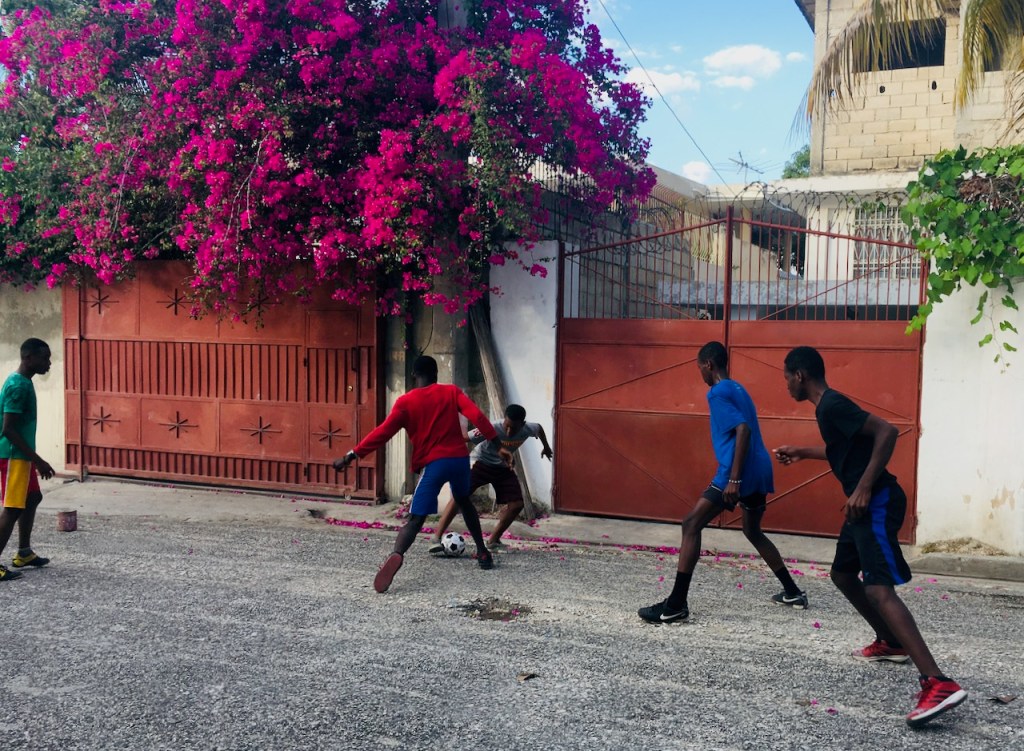
A common sight outside my home in Port-au-Prince. It’s a mini-World Cup just about every afternoon.

One year ago today, I boarded a plane in Port-au-Prince headed to Miami. From there, I traveled to Virginia. This was no vacation. Neither was it traveling for work. I was evacuating Haiti, a phrase I’ve resisted using — in fact — it pains me to type those words.

And before you get the impression I am back in Haiti — I’m not. I’m still in Virginia, my first and other home.

Haiti, the place where I had lived for more than seven years, was hot, as my friends there say. “Ayiti cho!” Haiti is hot! Not just weather-wise. More than a year of turbulence of all kinds had culminated into “peyi lòk”, countrywide lockdown.

Yeah, always the trendsetter, Haiti was locked down long before the rest of the world so easily used that phrase.

Opposition parties had promised the lock down in early September 2019 as school was starting. They protested President Jovenel Moise’s corruption, though the politicians in Parliament faced just as many charges of corruption. The economy of Haiti was in shambles with the local currency weakening, inflation rising and unemployment skyrocketing.

Gangs and random criminals controlled the streets, with robberies and kidnappings, often fatal, on the rise.

So, no, Haiti was not the place to be. Even so, to leave the place I have come to love as my home, to hug my friends good-bye and head back to Virginia was extremely difficult.

After five months in the States, I was able to return to Haiti in early March, only to leave again after 18 days, this time because of the pandemic and its version of lockdown.

I’ve come to think of it as being out of Haiti for a year except for a short vacation back home.

Home. I named this blog The Long Way Home long before I would realize what that means. Switching careers, stepping into my calling as a mission co-worker and adapting to living in Port-au-Prince — all of this has changed me. And for the better.

I am blessed to spend time in Virginia with my sister and her family, enjoying four seasons in a place that has more than just summer and enjoying the comforts of the United States. I am able to work from here, keeping up with friends and colleagues in Haiti and around the U.S. and world.

Change, especially when its abrupt and significant, requires adjustment. After a year, it feels relatively normal wearing socks rather than flip flops and sweatshirts instead of short sleeves. Still, though, I’m eager to return to that other home, to the place where the hot sun beats down, where soccer players whoop and yell outside the front gate, where the kitchen table often is crowded and prayers always earnest.

For now, though, I take great pleasure in this wild and crazy life I live and look forward to what comes next.

As a mission co-worker with Presbyterian Mission Agency, I’ve been able to visit a number of other countries. I’ve learned a new language. I’ve come to love so many amazing people who at first blush seem so different.

I’ve lost loved ones. I’ve mourned and celebrated, been loved and taken some hard knocks. And after almost eight years, I find myself back where I started.

What a year it’s been. While here in the U.S. we still avoid crowds and the COVID, the people of Haiti are doing the same and still struggling with a perilous economy and political upheaval, dangerous criminal activity and the end of hurricane season.

What a life.

The beauty of it, always, is that home is not an address. It’s where you hang your hat.

And it’s where you leave a part of your heart.

Ke-nee deep in kenep season

Even as their lives are filled with often heartbreaking challenges, the people of Haiti seek out the sweetness of life. Often that sweetness grows on tress.

They just dangled there, tantalizing us with juicy sweet tartness. For weeks, so many weeks, we waited.

“Kenep pre?” I’d ask hopefully. Are they ready?

“Yo poko pare,” Garry would respond. They aren’t ripe yet.

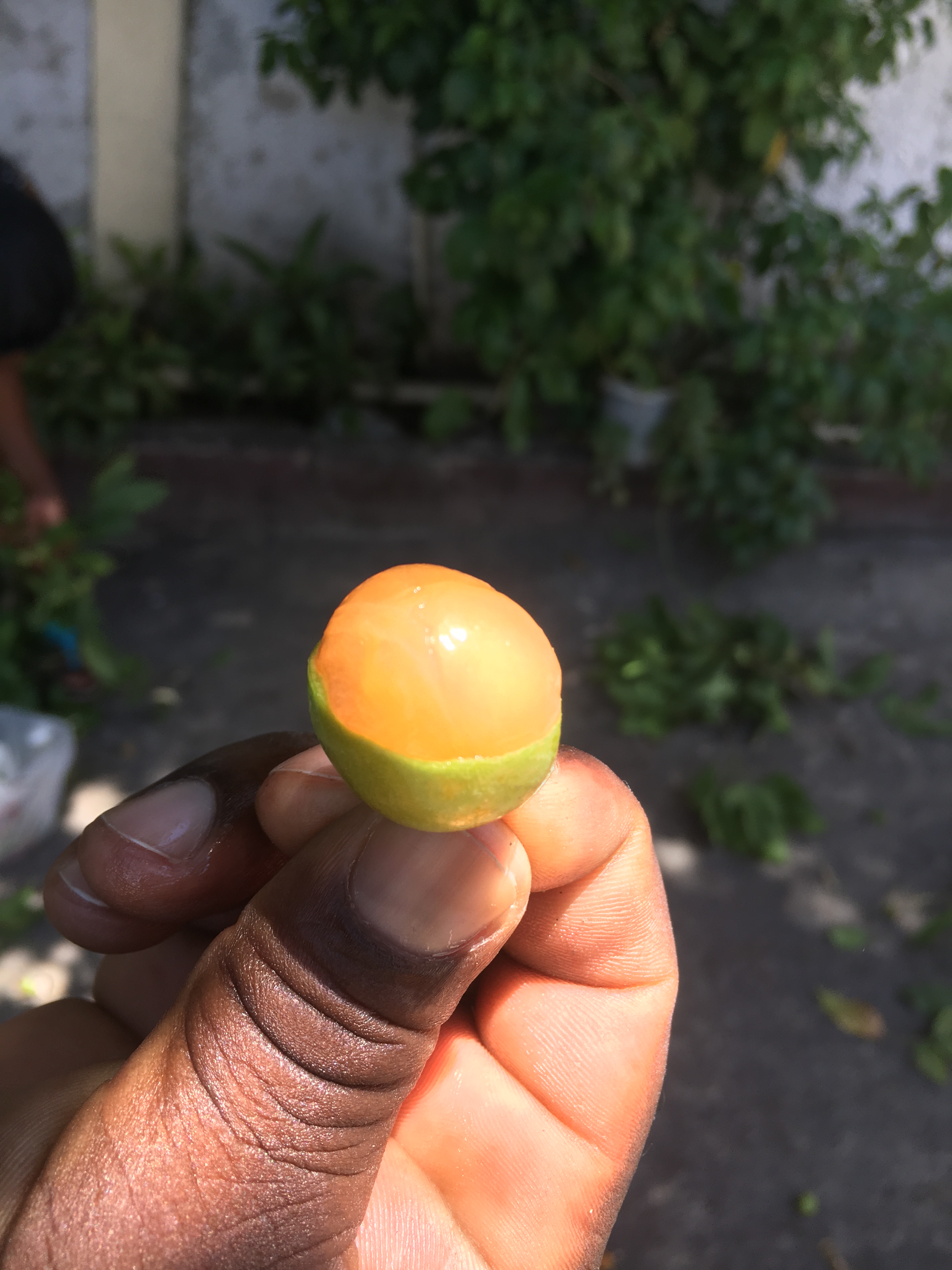
A few times, I tried one, breaking the still supple green rind, pop the pulpy fruit on my tongue, and promptly spit it out.

The kenep is a tropical delight. It grows on a tall tree that provides lovely shade year-round. But by early August, its sweet fruit gets all our attention.

When ripe, the rind tightens so it is cracks open. The pulpy fruit covers a large round seed about the size of an ordinary marble. The flavor lasts a few minutes – something like the taste of SweetTarts candy.

To be fair, it’s not even our tree. It generously leans over the wall from the neighbors house. The low-hanging fruit goes first. Even the man who collects our trash lifts a hand up to pull down a bundle of kenep on his way out the gate.

In about a week after the kenep ripened, Nadia began using a long pole rigged with a Y-shaped branch to isolate and twist small branches and retrieve the bunches.

Small boys, and some not so small, gather at the gate asking if we can give them kenep. A glance up the street shows that another neighbor’s kenep tree has lured other boys onto the adjacent alow wall where they pick the fruit and collect them in plastic bags.

On a good day, the street is littered with the green rinds and crowded with happy-faced kids.

Even Bobby the half-grown pup gets into the action. He doesn’t stop to toss the rind. He just eats the whole thing.

As for the rest of us, we enjoy them one or two at a time, or gather a bunch to eat later.

Like the other best things in life, we know the season will draw to a close, leaving us waiting another 11 months.

Thoughts and prayers

They matter, too

A dear friend sent me a message the other day. We chatted. And she signed off by telling me that she prays for me daily. 

What a gift. 

Prayers, along with their sisters, Thoughts, are getting a lot grief these days. When something horrible happens, everyone from politicians to social media aficionados will respond with “Thoughts and prayers.”

It’s understandable that these words seem hollow, not enough to answer the enormity of whatever horrible thing just made headlines. Action is what is needed, we exclaim. Not thoughts and prayers!

Perhaps it would be better if we exclaimed, not JUST thoughts and prayers.

I am a pretty big fan of prayers. I’ve felt them, learned of them and heard them.

I’ve mentioned before that at our meals, my Haitian family takes turns saying Grace. This remains one of my favorite moments in any given day. I’m curious what will be shared with God. Sometimes my own prayers take me by delight. 

My favorite lately still is the time Garry prayed, after a period of criminal activity along the streets of Haiti, “Bless the police, and bless the bandits. Because, well, (pause)  you know, God.”

We pray for each member of our household, all our families, everyone in hospital or in prison, and their families. We give thanks for what we have. And we always remember to ask God to help understand that not everyone is as fortunate.

Each of us can do something to make the world better for our neighbors. And when we love our neighbors, as Jesus commanded, we must.

But there always is room for thoughts and prayers. When someone says, “I prayed for you,” what I hear is, “I remember you.” Gently, intentionally, kindly remembered.

I cannot think of a more sincere gift.

I remember you.

Seasons

Trying a new thing. This seems like a good time a new thing.

I’m going to write.

I know. Shocking, right?

Well, it’s not like I haven’t been thinking about writing. That’s why I made this blog years ago. But I never seem to actually write.

The problem — my problem — is that I believe I need to write about the big topics — poverty and injustice and ways we must change the world. And not surprisingly, I don’t write those things. Too big. Too sad. Too much.

A couple of events, tiny events really, clarified this issue for me the other day.

Tiny moments that on their own mean little.

So I’m going to write them, tell the story of them.

So here I am.

It’s Epiphany Sunday. The first weekend of the new year, and the day before life will roar to life. Plans to make. Stuff to do. It’s the season.

I’m thinking a lot about seasons these days. A wonderful aspect of living in Haiti means living in seasons: mango season, rainy season, dry season, kinep season.

Whether fruits or weather, it’s how we measure time. And if you don’t like the season you’re in, you just settle in to wait for it to change. For the new season.

January is the dead of winter here, too. Except that instead to getting blown over by cold winds, you’re subject soft, cool breezes.

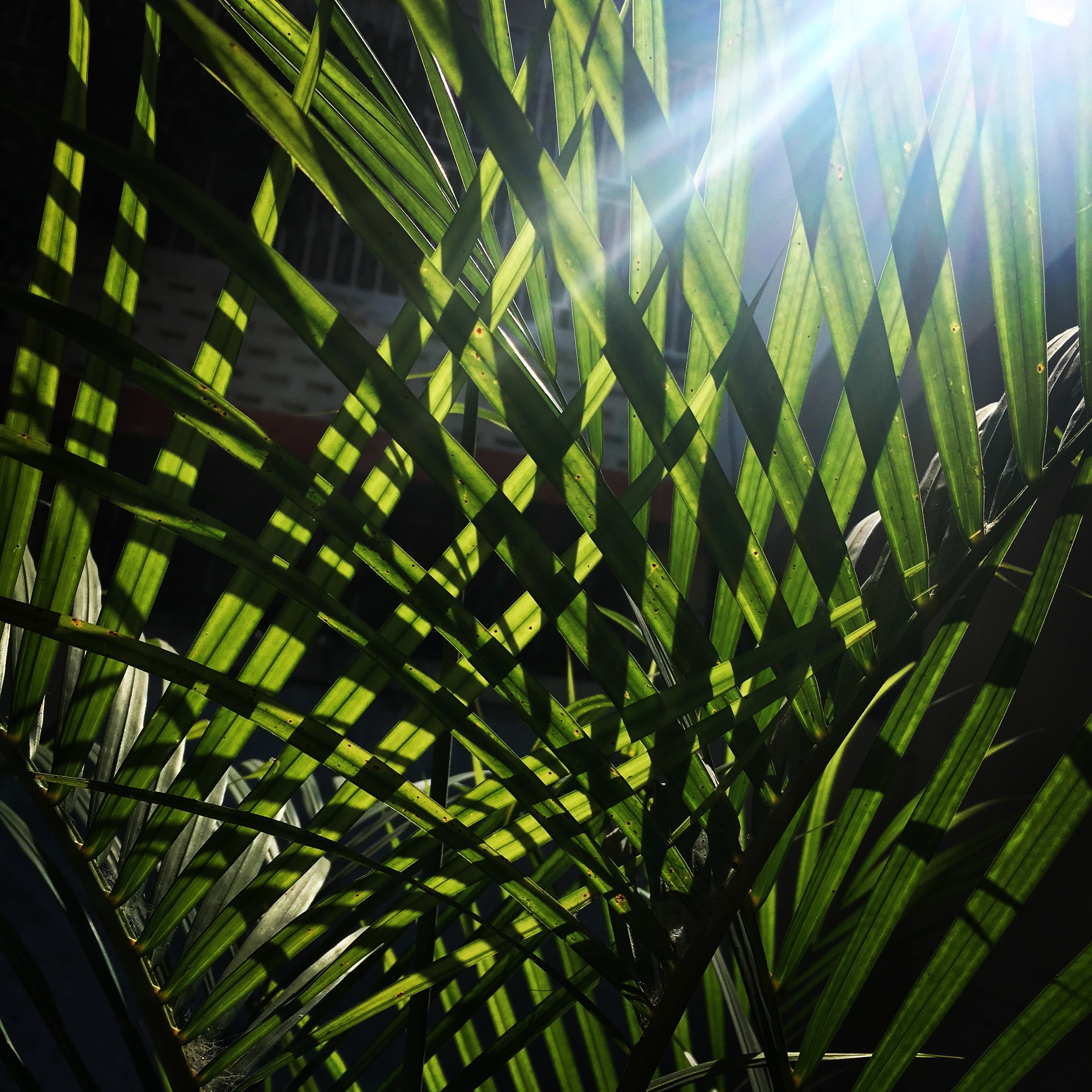
The great thing about seasons and having to endure the uncomfortable, there are delights like soft breezes and cool weather and bright sun shining on the woven leaves of the palm plant on the front porch.

These little bits of life are important to me. I just wanted to share.

The other night as I tried to sleep I heard a child crying. On and on. It’s not unusual to hear crying here. It’s a hard land. I imagined all kinds of horrible reasons for the child’s cry, hunger, corporal punishment, abuse. But the worst part was feeling totally helpless.

And understanding that helplessness.

The cool breeze slipped through the window, the crying stopped, and I slept.

The next morning I tried to forget my privilege that I can sleep knowing horrible things might be happening so close to me. It’s part of the life in a place like this. It’s the reality. And the truth is, I have no idea what had happened. I only know that the reasons I imagined are quite possible.

The house next door has two stories. From where I sat drinking coffee that next morning on my porch, I heard a child’s voice. On the outdoor stairs to second floor of the neighbors’ house, a little girl about 10 was reading out of book spread over her knees.

She seemed to be reading from the book and repeating what she’d read.

I said good morning.

“Bonjou!” She responded in the sing-songy way of children.

I asked if she was studying.

“Wi!”

It sounded like “WEEEEEEE.” With enough breath to pierce a balloon.

Are you ready to go back to school?

Again, “WEEEEEE!”

She smiled. I think her mom cleans house for my neighbors. I only see her and her siblings on occasion, when they dance in those stairs or come over to our yard to gather the kineps that fall off the tree here.

Two little ones. Two stories. One possibly terribly sad. One definitely hopeful.

I remember how helpless I’d felt the night before. And I realized that helpless doesn’t mean hopeless.

And I wanted to tell you this.

I want to write again. Regularly. With big stories and little bit no less important moments.

I’m in my Haiti. I’m so grateful. I want to do more, and be more.

And all I know, is that in this season, I will write more.

Let me know what stories you want to hear.

Or, if not, I’m glad to choose.